
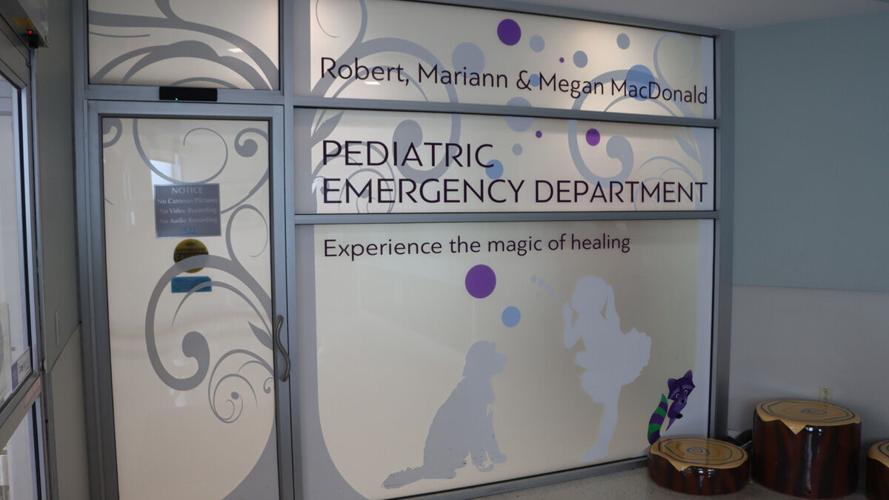
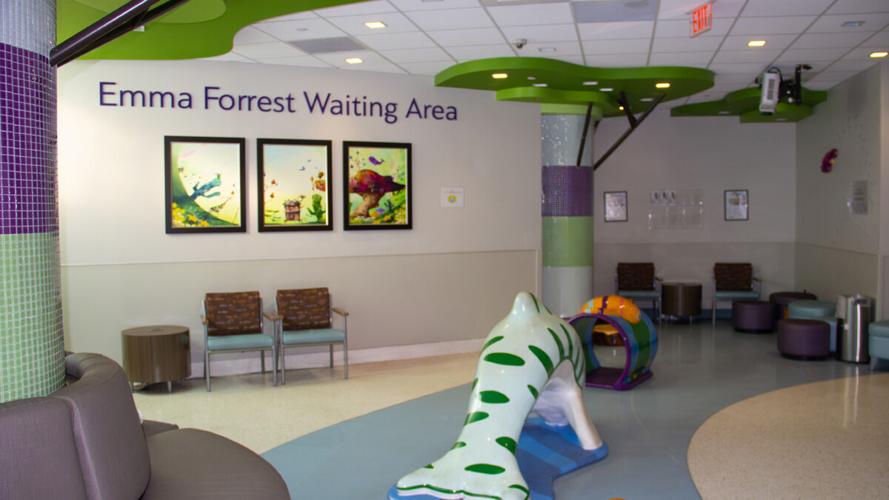
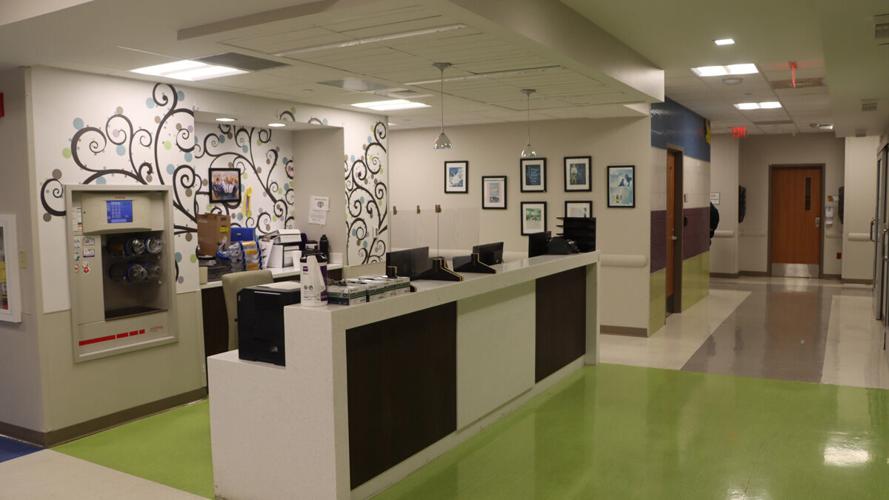


The Robert, Mariann and Megan MacDonald Pediatric Emergency Department at NCH North Hospital is Collier County's only dedicated pediatric emergency room, treating more than 17,000 patients in 2025.
Collier County's only pediatric emergency department recently earned a score of 99 out of 100 on a required national readiness assessment, positioning it well ahead of new statewide pediatric emergency standards that take effect July 1.
The Robert, Mariann and Megan MacDonald Pediatric Emergency Department at NCH North Hospital received the score on the National Pediatric Readiness Project Assessment, conducted by the Emergency Medical Services for Children Program within the federal Health Resources and Services Administration, in March.
NCH officials said its score was 11 percentage points above the national average for emergency departments with similar pediatric patient volumes.
In 2025, the pediatric emergency department at NCH North Hospital treated 17,000 unique patients, said Jose A. Martinez Marrero, director of nursing for NCH pediatric emergency departments and pediatric inpatient units. Across the health system, including Baker Hospital Downtown and freestanding emergency departments, NCH cared for more than 21,248 pediatric emergency patients.
According to NCH, the National Pediatric Readiness Project evaluates emergency departments on their ability to provide safe, high-quality care for children by assessing pediatric-specific equipment, policies, staff training and quality improvement processes.

The pediatric emergency department at NCH's North Hospital campus scored 99 out of 100 on its 2026 National Pediatric Readiness Assessment, 11% above the national average.
Caitlin George, administrative director of emergency services at NCH, said the score reflects more than 18 months of collaboration across the health system.
“Our pediatric emergency department staff, clinical leaders and hospital leadership worked together to ensure our processes, training and resources meet the highest standards for pediatric emergency care,” George said.
Martinez Marrero said the assessment measures an emergency department's readiness to care for infants, children and adolescents while helping identify gaps and opportunities for improvement.
The evaluation examines pediatric leadership, including designated pediatric emergency care coordinators; pediatric-specific policies and clinical protocols; availability of age-appropriate equipment and supplies; medication safety and weight-based dosing; staff education and competency; and disaster preparedness through simulation drills.
“Studies show that scores greater than 87%, showing high levels of pediatric readiness, are associated with 76% lower mortality rate in ill children and 60% lower mortality rate in injured children,” Martinez Marrero said.
Paula DiGrigoli, senior director of the Nicklaus Children's Hospital partnership at NCH, said teams completed numerous pediatric mock drills and simulation scenarios to strengthen protocols, equipment, staff training and communication.
“The goal wasn't simply to earn a score, but to ensure our teams are continually improving and ready to care for children during emergencies,” DiGrigoli said in a statement.

The NPRP assessment evaulates areas including pediatric-specific equipment, policies and procedures, staff training and quality improvement processes.
New state law requires assessment
Florida House Bill 355, enacted as the Health Care Patient Protection Act, establishes pediatric emergency readiness standards for hospitals across the state.
Beginning July 1, hospitals with emergency departments must implement specialized pediatric policies, designate a pediatric care coordinator and complete the National Pediatric Readiness Assessment every five years.
The bill was sponsored by state Rep. Vanessa Oliver, who represents District 76, which includes DeSoto County and parts of Charlotte and Lee counties.
Speaking at a late June event celebrating both the legislation's passage and NCH's assessment score, Oliver said the law reflects Florida's commitment to improving emergency care for children.
“Children are not simply small adults,” Oliver said. “Pediatric emergencies require specialized equipment, training, protocols and medications. Yet most children receive emergency care in general hospital emergency departments rather than dedicated children's hospitals... That's why pediatric readiness matters.
“These standards help ensure that every child has access to the best possible emergency care when it matters most.”
(0) comments
Welcome to the discussion.
Log In
Keep it Clean. Please avoid obscene, vulgar, lewd, racist or sexually-oriented language.
PLEASE TURN OFF YOUR CAPS LOCK.
Don't Threaten. Threats of harming another person will not be tolerated.
Be Truthful. Don't knowingly lie about anyone or anything.
Be Nice. No racism, sexism or any sort of -ism that is degrading to another person.
Be Proactive. Use the 'Report' link on each comment to let us know of abusive posts.
Share with Us. We'd love to hear eyewitness accounts, the history behind an article.