
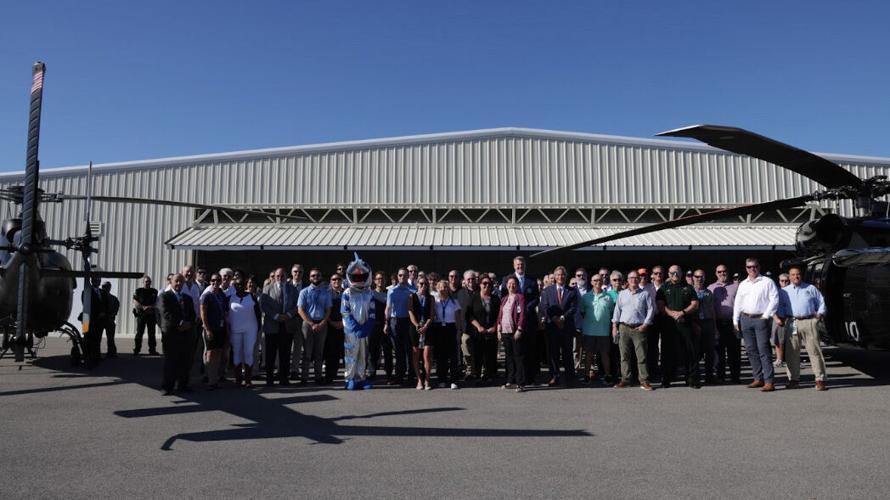
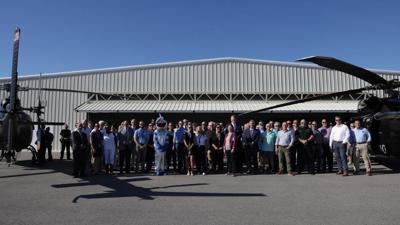
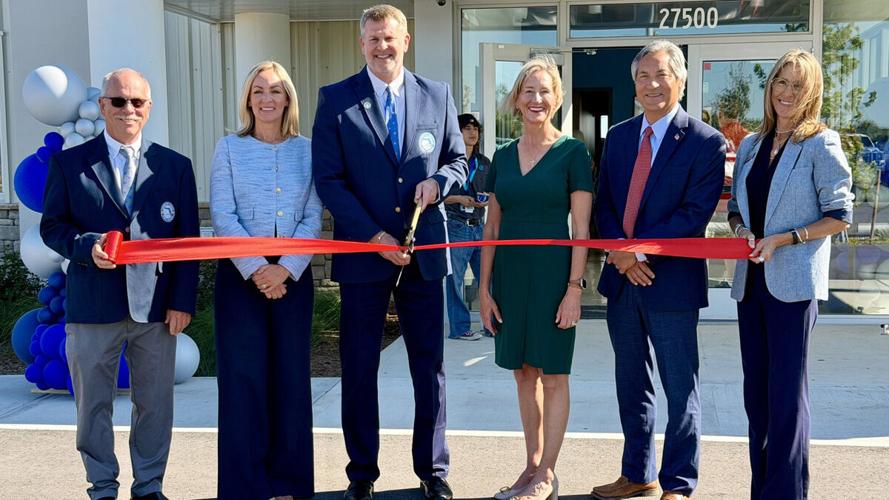
Charlotte Technical College opened a new $6 million aviation training facility at Punta Gorda Airport, expanding its capacity to prepare students for high-demand careers in aircraft maintenance and related fields.
Local officials marked the opening March 24, highlighting the program’s role in workforce development and its potential to connect students with jobs that offer starting salaries around $80,000.
CTC Director Cynthia Gulsby said the program previously operated from mobile classrooms and a small hangar on the south end of the airport. As enrollment grew, the facility could no longer meet demand.

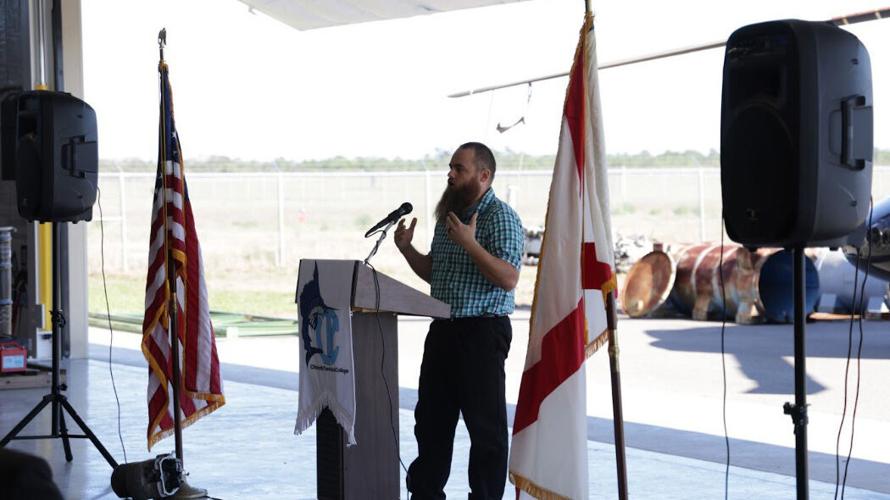
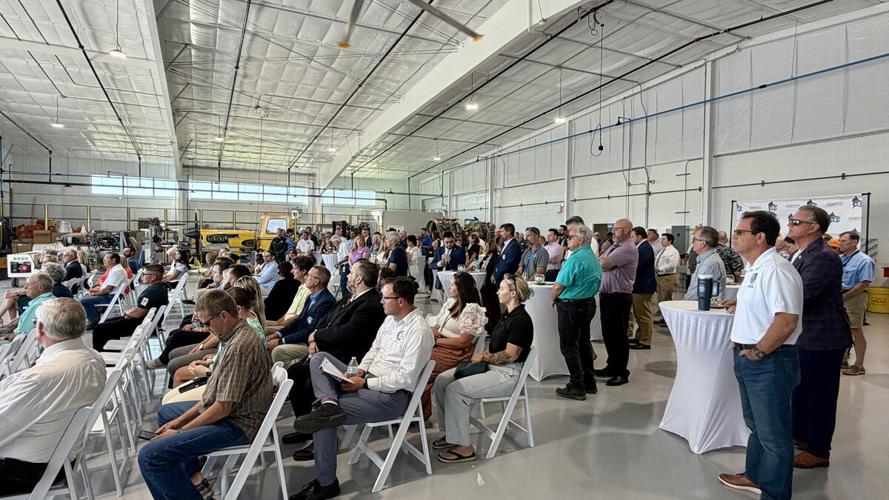
Ryan Ayala, the program’s first graduate, speaks during the opening of Charlotte Technical College’s aviation training facility. He now works for the Lee County Mosquito Control District.
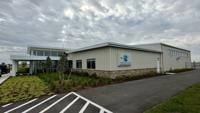
The new site includes a 19,420-square-foot academic building with classrooms, labs and updated amenities, along with a 10,405-square-foot hangar. The facility is located near the PGD Air Center within the airport’s Aviation Expansion Area.
The program currently enrolls 68 students who are training in Aviation Maintenance Technology. Students receive hands-on instruction to prepare for careers as Aviation Maintenance General Technicians and Aviation Power Plant Maintenance Technicians. Upon completing airframe and powerplant coursework, students are eligible to apply for certification licenses.
Gulsby said airframe mechanics work on the structural and mechanical components of aircraft, while powerplant mechanics focus on engines.

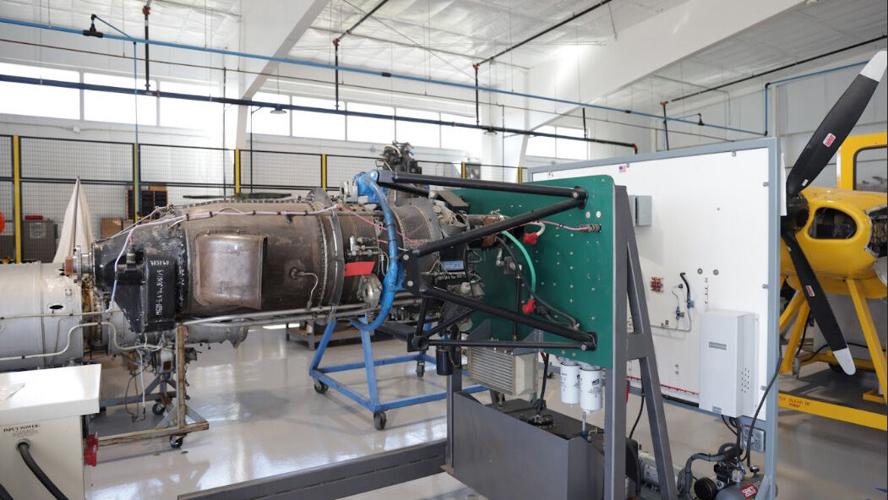
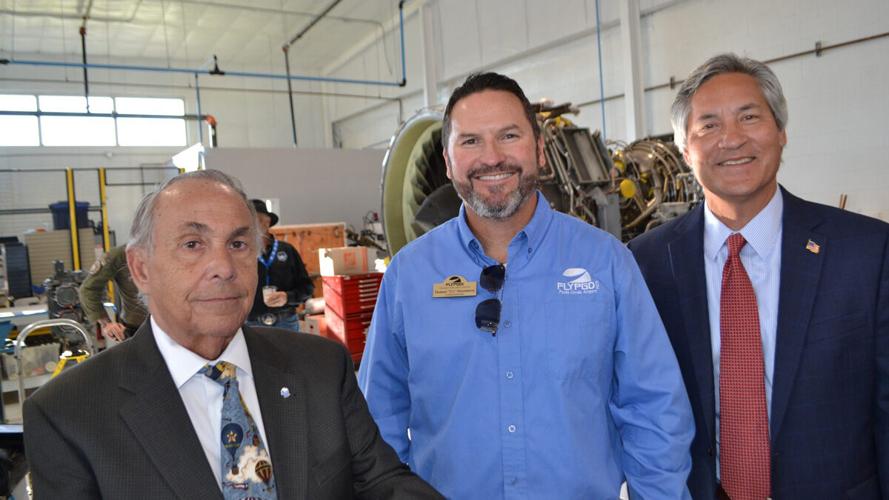
Aircraft engines and components inside the Charlotte Technical College hangar provide students with real-world experience in aviation maintenance technology.
Demand for aviation mechanics is expected to remain steady. Employment website Indeed projects a 4% increase in jobs from 2022 to 2032, with about 12,800 openings annually. According to ZipRecruiter, experienced aircraft mechanics can earn up to $130,000 per year.
Program leaders emphasized that training extends beyond traditional aviation roles. Graduates can pursue careers with airlines, maintenance facilities, flight schools, avionics companies and air medical transport services, as well as with law enforcement aviation units, mosquito control operations and motorsports organizations.
Skills learned in the program also can translate to other technical fields, including elevator and escalator repair, medical equipment maintenance, amusement park ride maintenance and positions in the military, space industry and manufacturing sectors.
Ryan Ayala, the program’s first graduate, spoke at the opening ceremony attended by more than 100 people. He is now employed by the Lee County Mosquito Control District.

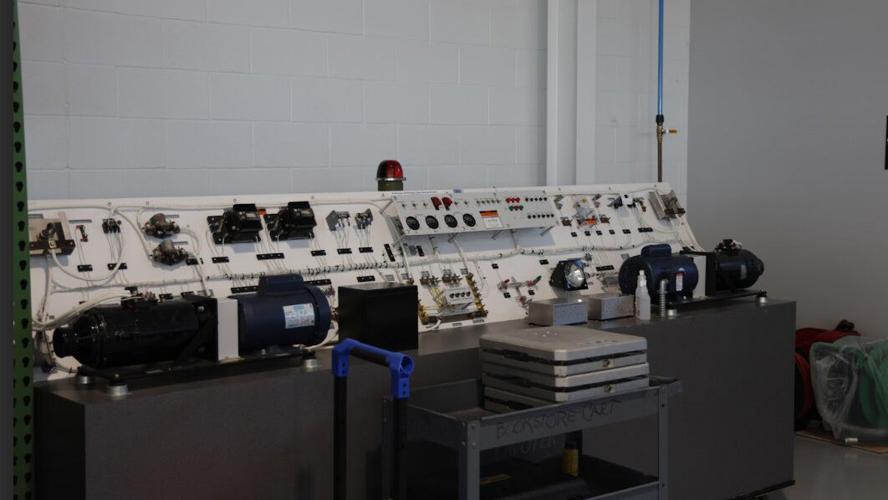
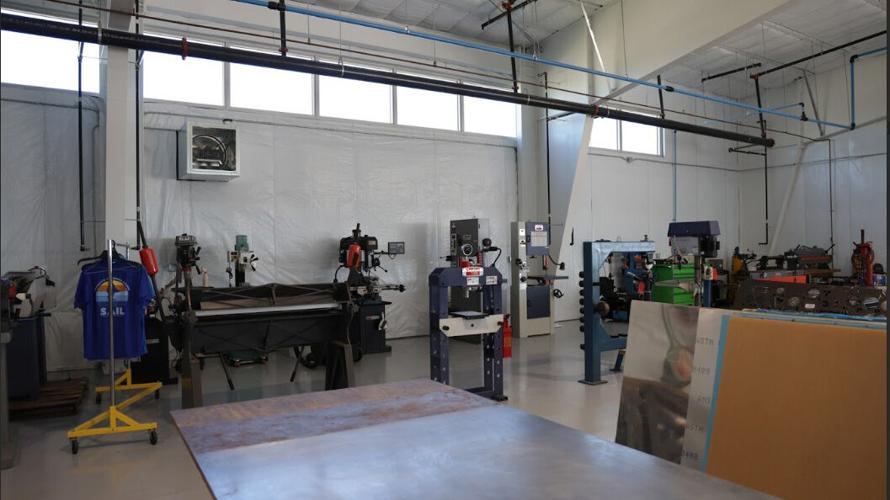
Training equipment and control panels are used by students at Charlotte Technical College’s aviation facility to develop hands-on skills in aircraft maintenance.
Other speakers included Charlotte County Public Schools Superintendent Mark Vianello, representatives from the Charlotte County Economic Development Partnership and Charlotte County Airport Authority Chair Robert Hancik.
The aviation training program is the result of collaboration among the Charlotte County Commission, Charlotte County Airport Authority and the school district. Funding included approximately $5.75 million in state appropriations secured between 2022 and 2024, along with airport funding and permitting support.
Gulsby said the program aligns with the college’s mission to provide local career opportunities so students can remain in Southwest Florida and secure well-paying jobs.
She said growth in Charlotte County, particularly in industrial areas surrounding the airport, is creating new employment opportunities that support the expansion of technical training programs.
CTC opens aviation training facility in Punta Gorda
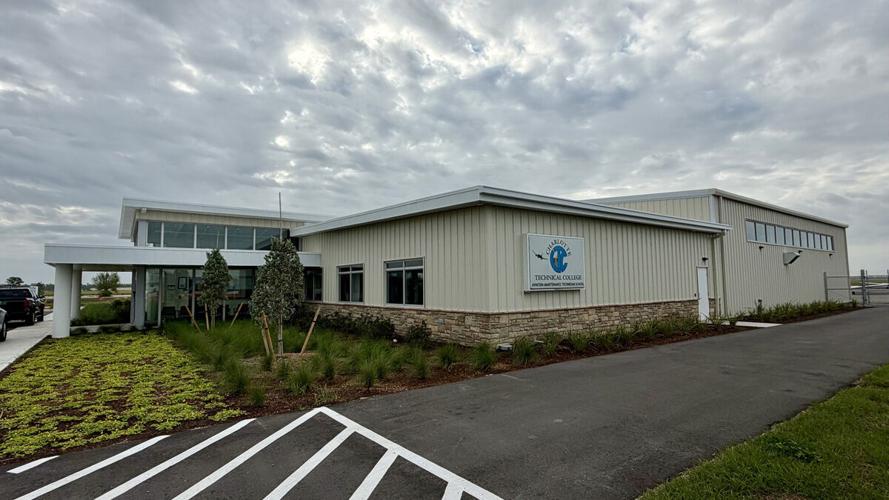
The Charlotte Technical College aviation training building includes classrooms, labs and a hangar to support workforce training in high-demand aviation careers.
In addition to aviation, CTC currently offers 22 programs, with plans to add advanced manufacturing and welding to its curriculum.
Programs are open to high school seniors and adult students. A career placement specialist works with graduates individually to help them connect with employers.
CTC also partners with local businesses, many of which hire program graduates, helping to strengthen the region’s workforce pipeline as demand for skilled labor continues to grow.
(0) comments
Welcome to the discussion.
Log In
Keep it Clean. Please avoid obscene, vulgar, lewd, racist or sexually-oriented language.
PLEASE TURN OFF YOUR CAPS LOCK.
Don't Threaten. Threats of harming another person will not be tolerated.
Be Truthful. Don't knowingly lie about anyone or anything.
Be Nice. No racism, sexism or any sort of -ism that is degrading to another person.
Be Proactive. Use the 'Report' link on each comment to let us know of abusive posts.
Share with Us. We'd love to hear eyewitness accounts, the history behind an article.