
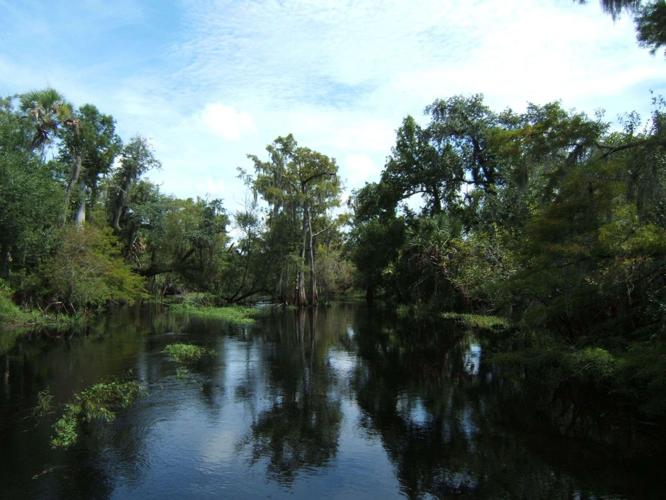

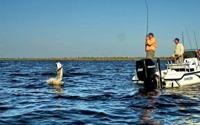
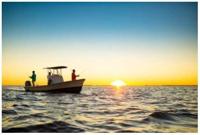
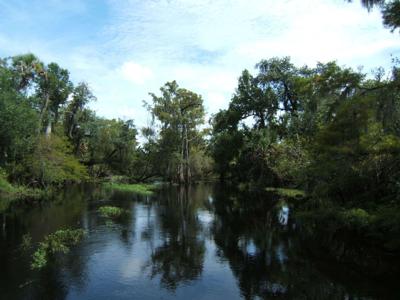
Healthy and nonpolluted waterways benefit more than the creatures who inhabit them. They also are essential to those who rely on them for their livelihoods, including fishermen, fishing guides and Charlotte County itself.
Recreation is the top economic driver for Charlotte County, according to a report by the Coastal& Heartland National Estuary Partnership, or CHNEP.
Some of the main attractions are county rivers and waterways, as Charlotte Harbor is Florida’s second largest open-water estuary,formed by the blending of saltwater from the Gulf of Mexico with freshwater from the Peace, Myakka, and Caloosahatchee rivers.
Recreation spending in the county accounts for $1,253,569 and provides $378.08million in labor income, according to the report.
Commercial fishing accounts for $1.69 million in spending and it provides $448,000 in labor income.
Nearly all of Charlotte County is within the CHNEP area, and the total economic impact of natural resources in the county is approximately $1.49 billion annually.
Events such as the World’s Richest Tarpon Tournament, a two-day event held in May, attracts competitors from all over the world, as the tournament takes place in an area known as the “Tarpon Fishing Capital of the World,“ which is at the Boca Grande Pass.
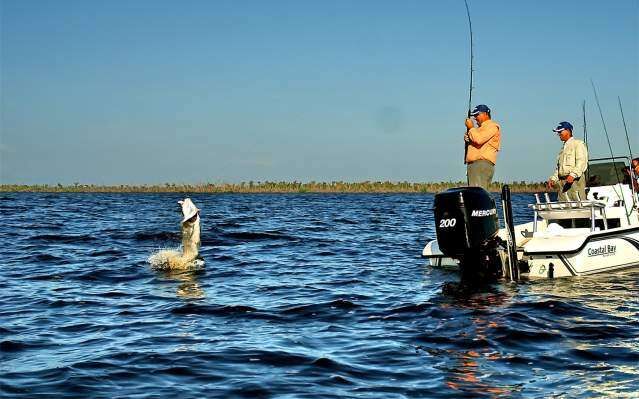
and various types of boating.
The fishing tournaments and recreational fishing represent 10% of tourists and visitors who came for that purpose, said Sean Walter, director of sales and sports business for the Punta Gorda/Englewood Beach Visitor & Convention Bureau.
“We don’t break out the leisure activities,” he said, and added that although 10% “may seem like a small percentage, it is larger when you look at close to a million people visiting Charlotte County.”
“Local and regional fishing tournaments bring in up to 500 [hotel] room nights and up to $500,000 in economic impact,” he said.
The estuary is a breeding ground for approximately 255 fish species, according to a Florida Fish and Wildlife Conservation Commission study.
Mindful of the estuary’s environmental importance and things that attract visitors to Charlotte County, groups such as CHNEP, the Southwest District of the Florida Department of Environmental Protection, nonprofit groups, organizations and volunteers, along with law enforcement monitor the quality of the waterways. Some check on the health and number of seagrass and mangroves, while others enforce laws and regulations to stem violators whose actions hurt the fragile ecosystem.
In Charlotte County, Brandon Moody is the water quality manager who leads the effort to clean up area waterways.
The county is engaged in an ongoing effort to convert septic systems to city sewer systems. The project began in Port Charlotte and continues today.
,
which are
fed by nutrients from fertilizers.
The algae cut off oxygen and results in fish kills, and that’s why there is a ban on using fertilizers during the rainy season.
On May 2, the local DEP sent a representative to appear before the county’s Beaches & Shores Advisory Committee to explain why they are monitoring the health of seagrass and mangroves, along with water quality.
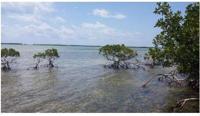
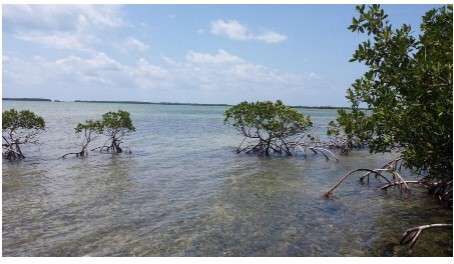
In brief, members learned that seagrass and mangroves are crucial for juvenile fish, which hide among them. A decrease in juvenile tarpon or redfish, for instance, would severely impact the fishing tournaments.
The mangroves also protect shorelines from wave action during storms and hurricanes.
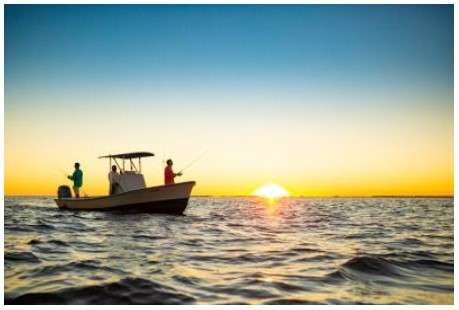
,
such as manatees, urchins, conches, and sea turtles
and water birds, members of the Beaches & Shores Advisory Committee learned.
Charlotte Harbor and the Gulf Island Coast is internationally renowned as one of the world’s top sport fishing destinations, and the state‘s tourism bureau deems it the fishing capital of the world.
In a 2023 report compiled for Bassmaster.com by the American Sportfishing Association, fishing was a $13.9 billion industry in Florida.
This appears at the end of the CHNEP report in which FWC contributed to studies: “Mangroves in Charlotte County, Florida, are vital for the survival and growth of juvenile fish, contributing to the overall health of the coastal ecosystem.”
(0) comments
Welcome to the discussion.
Log In
Keep it Clean. Please avoid obscene, vulgar, lewd, racist or sexually-oriented language.
PLEASE TURN OFF YOUR CAPS LOCK.
Don't Threaten. Threats of harming another person will not be tolerated.
Be Truthful. Don't knowingly lie about anyone or anything.
Be Nice. No racism, sexism or any sort of -ism that is degrading to another person.
Be Proactive. Use the 'Report' link on each comment to let us know of abusive posts.
Share with Us. We'd love to hear eyewitness accounts, the history behind an article.