





Environmental research and education programs are flourishing again at Vester Field Station in Bonita Springs after the facility recovered from hurricanes Ian, Helen and Milton.
Located on the back bay along Bonita Beach Road, Vester has taken on an increasingly important role as the hands-on science branch of Florida Gulf Coast University’s Water School, founded in 2019. Together, they position the school as an authority on water quality and environmental stewardship.
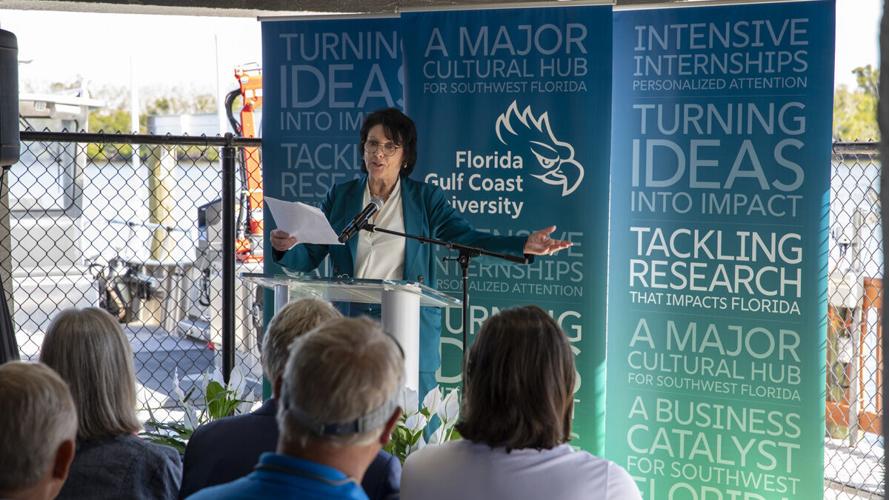
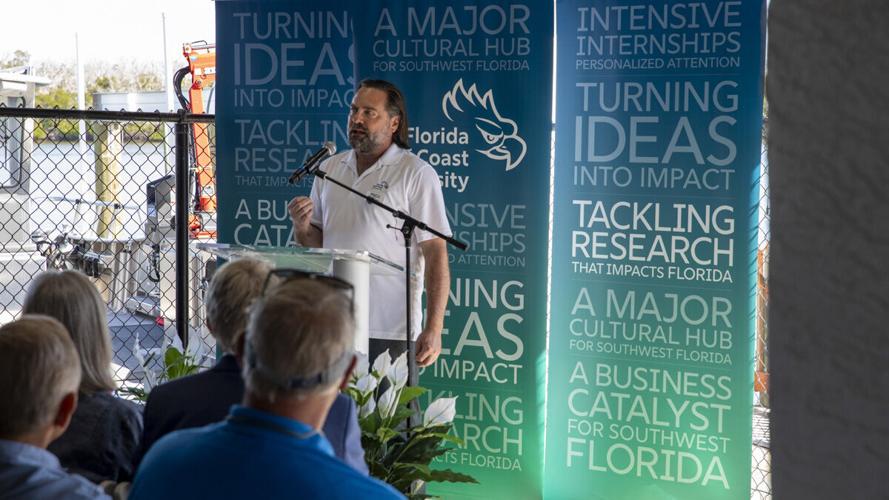
“We can now really spread our wings again,” said Vester Station Director and FGCU marine science professor Mike Parsons at a private reception and open house Feb. 16 celebrating Vester’s recovery.
FGCU leadership emphasized the school’s partnership with the nonprofit Collier Community Foundation, which supplied a $150,000 grant to help rebuild Vester. The grant is part of $7 million the foundation has provided FGCU in recent years, said Greg Tolley, professor of marine science and dean of The Water School.

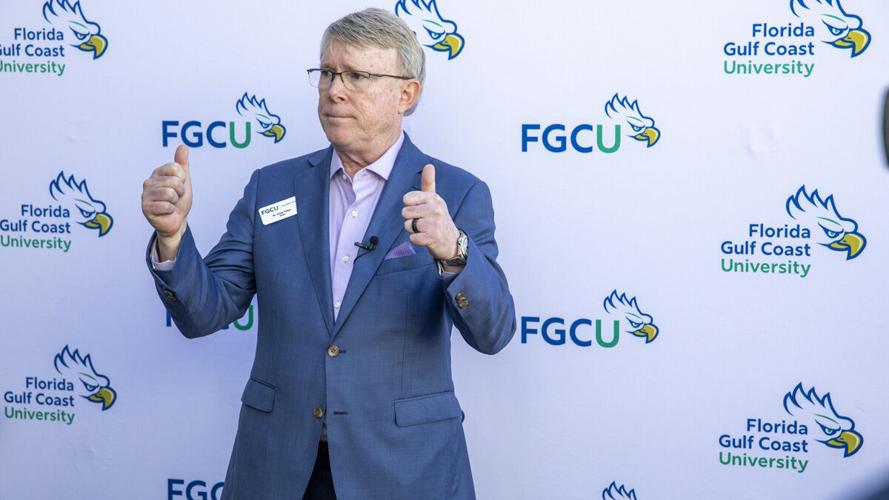
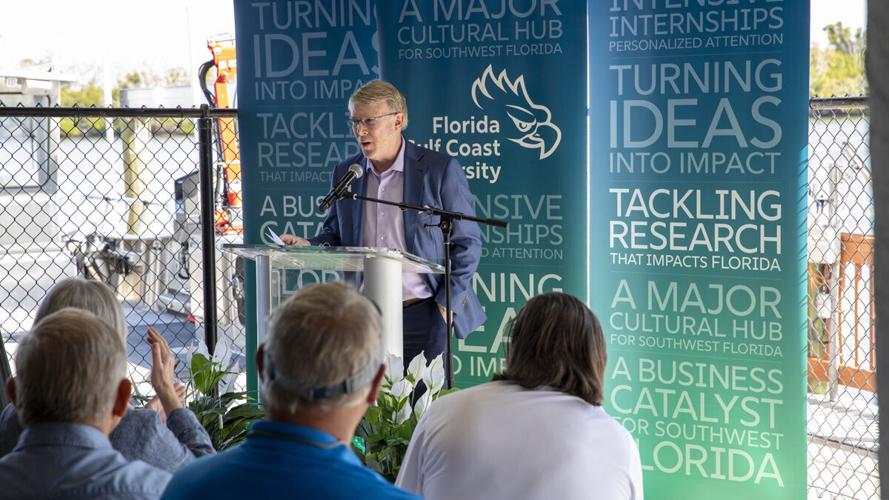
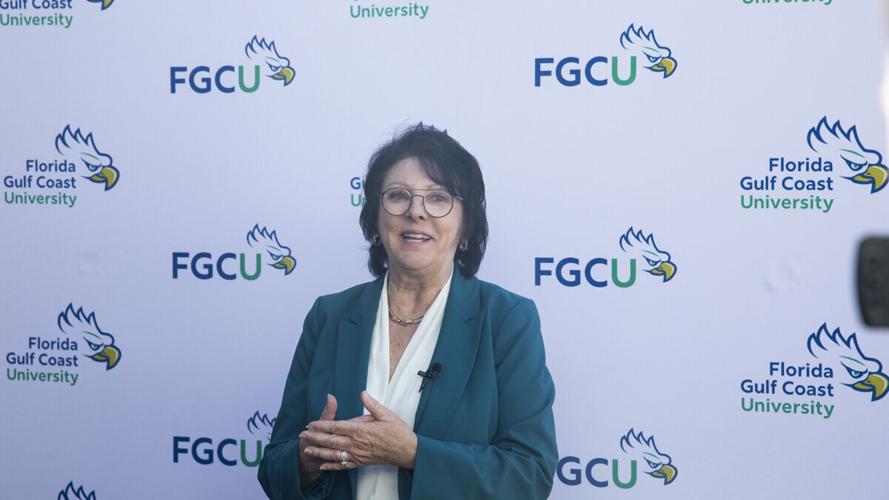
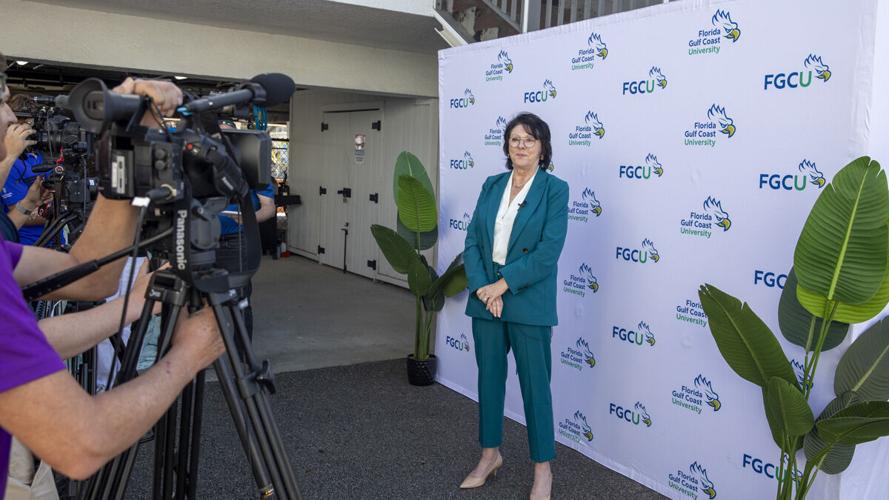
Greg Tolley, professor of marine science and dean of FGCU’s Water School, speaks about the impact of philanthropic support in restoring Vester Field Station.
“Because of them, we can stand here today and proudly say: Vester is back,” Tolley said.
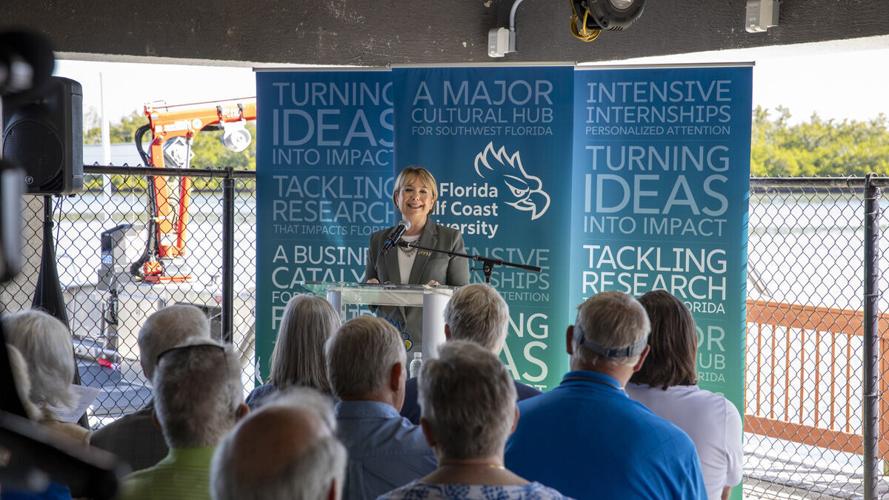
FGCU President Aysegul Timur said the partnership “strengthens resiliency and protects critical environmental infrastructure.”
The 40-year-old Collier Community Foundation has distributed more than $400 million in strategic grants and scholarships through partnerships with area nonprofits. More recently, storms, such as Ian, have underscored the need for Vester’s programs.
“The Community Foundation has really started to shift more grant dollars into the environment,” CEO and President Eileen Connolly-Keesler said.
She said the foundation increased support for environmental stewardship, resiliency and education after periodic needs assessments in 2022 and 2023 showed those areas were top community priorities.

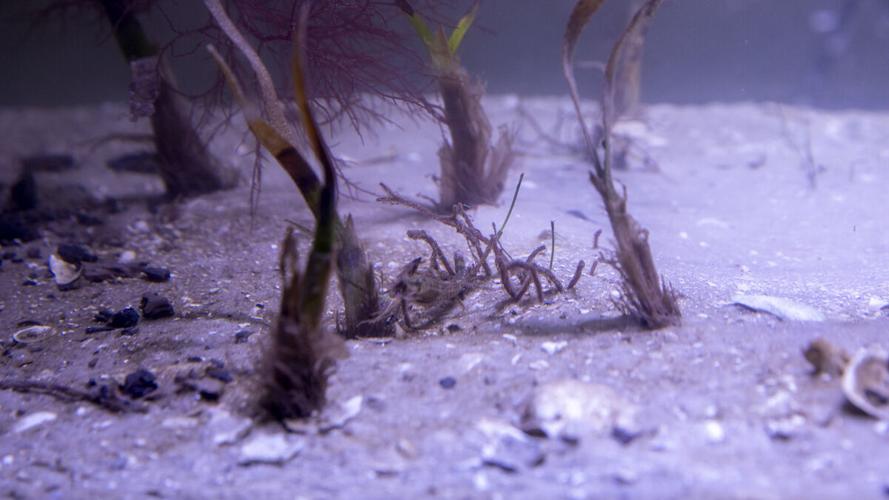
Underwater vegetation and marine habitat studied by researchers at FGCU’s Vester Field Station help scientists monitor coastal environmental changes.
“When Hurricane Ian struck, it didn’t just damage buildings and equipment,” Connolly-Keesler said. “It disrupted vital research, endangered years of scientific work and slowed progress at a time when our environment needs more answers, more money, more work.”
Vester’s three buildings sit on Little Hickory Island, about 12 miles from FGCU’s main campus. The site previously housed a commercial fishery and later an Old Florida resort before FGCU purchased the property in 2007.
In addition to serving FGCU students and faculty, university leaders said Vester has hosted scientists from 15 countries and provides programs for middle and high school students in Lee, Collier, Charlotte, Hendry and Glades counties. Educators are preparing students to address environmental changes.

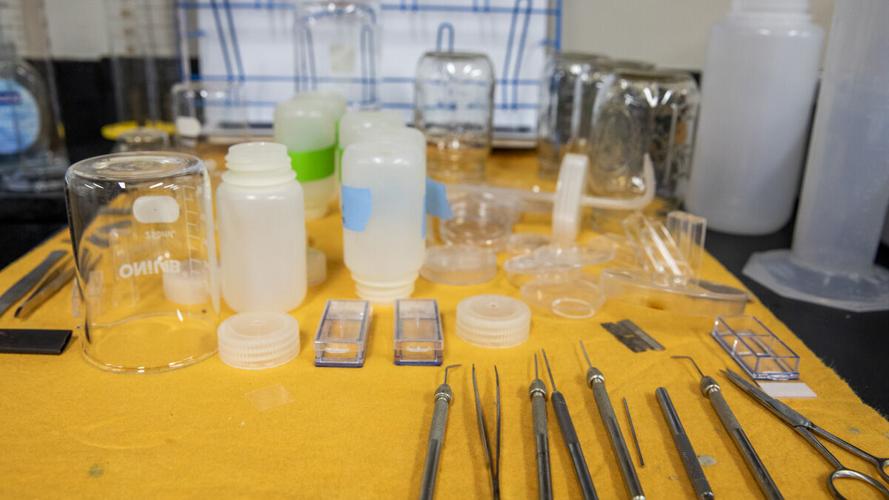
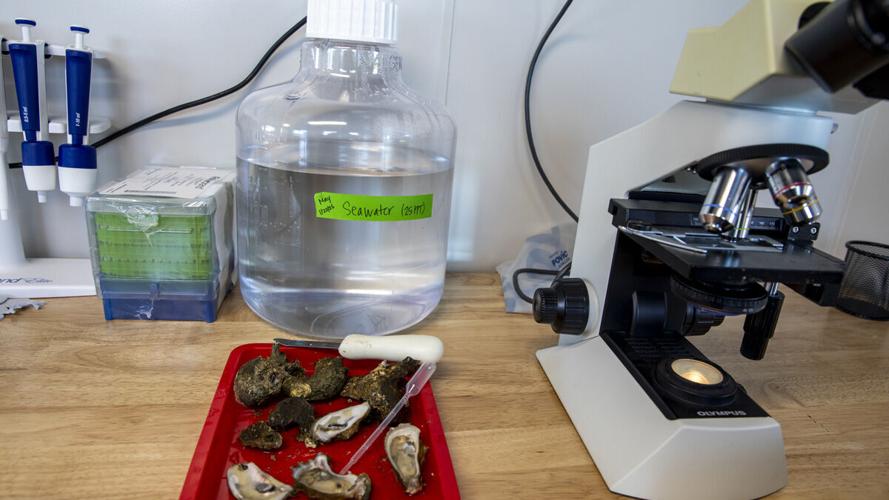
Laboratory instruments used for marine and environmental research are displayed at Florida Gulf Coast University’s Vester Field Station. The station supports scientific study and education focused on water quality and coastal ecosystems.
“Climate change and warming Gulf waters are intensifying storms, increasing flooding and storm surge and affecting the built and the natural environments,” Tolley said. “These impacts ripple outwards to our communities, effecting conservation efforts, air and water quality and the health of wildlife and fisheries.”
Parsons said hurricanes Ian, Helen and Milton caused about $4 million in total damage to Vester. Although the facility has operated over the past year, its laboratories, classrooms, research tools and equipment have been restored gradually.
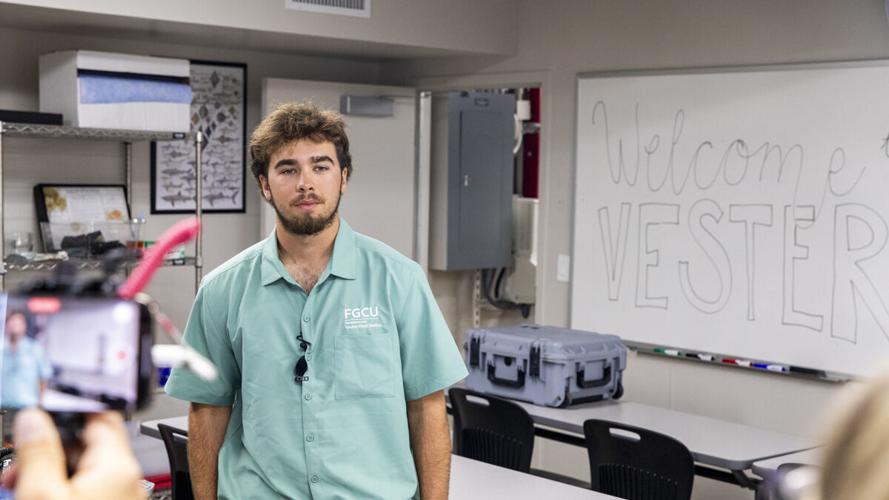
FGCU undergraduate senior William Armiger arrived from Maryland in 2022, when Hurricane Ian made landfall in Fort Myers during his second month of classes.
“I would love to work in aquaculture,” said Armiger, who is majoring in science and marine science. “It was something I was really looking forward to my freshman year, and it got ruined by Ian.”
Now his work has resumed.
“Seeing Southwest Florida rebuild in the last four years I’ve been here has been something to witness,” he said.









Gallery: Vester Field Station rebounds after hurricane damage
Environmental research and education programs have resumed at Florida Gulf Coast University’s Vester Field Station in Bonita Springs after recovering from hurricanes Ian, Helen and Milton. The facility on Little Hickory Island serves as the hands-on science branch of FGCU’s Water School, advancing water quality research, environmental stewardship and student education. A $150,000 grant from Collier Community Foundation supported rebuilding efforts, restoring laboratories, classrooms and research operations.
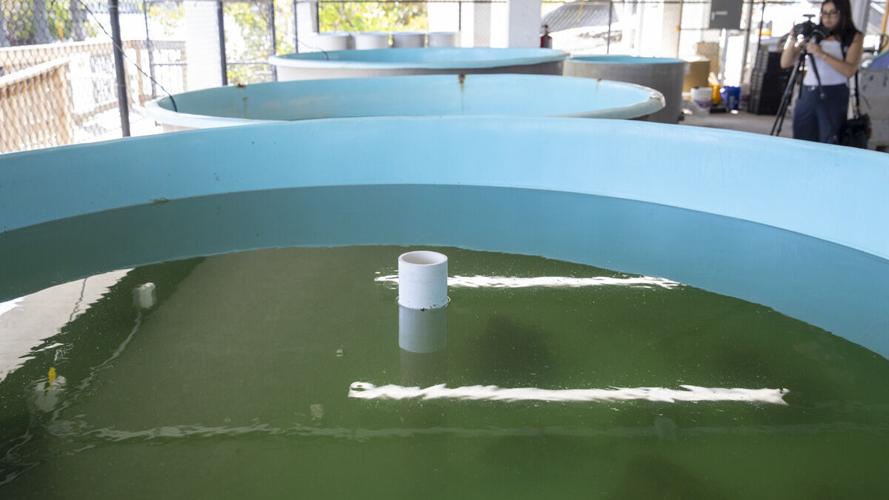
Research tanks at Florida Gulf Coast University’s Vester Field Station in Bonita Springs support environmental and marine science studies. The facility recently resumed full operations following hurricane recovery efforts.
(0) comments
Welcome to the discussion.
Log In
Keep it Clean. Please avoid obscene, vulgar, lewd, racist or sexually-oriented language.
PLEASE TURN OFF YOUR CAPS LOCK.
Don't Threaten. Threats of harming another person will not be tolerated.
Be Truthful. Don't knowingly lie about anyone or anything.
Be Nice. No racism, sexism or any sort of -ism that is degrading to another person.
Be Proactive. Use the 'Report' link on each comment to let us know of abusive posts.
Share with Us. We'd love to hear eyewitness accounts, the history behind an article.